
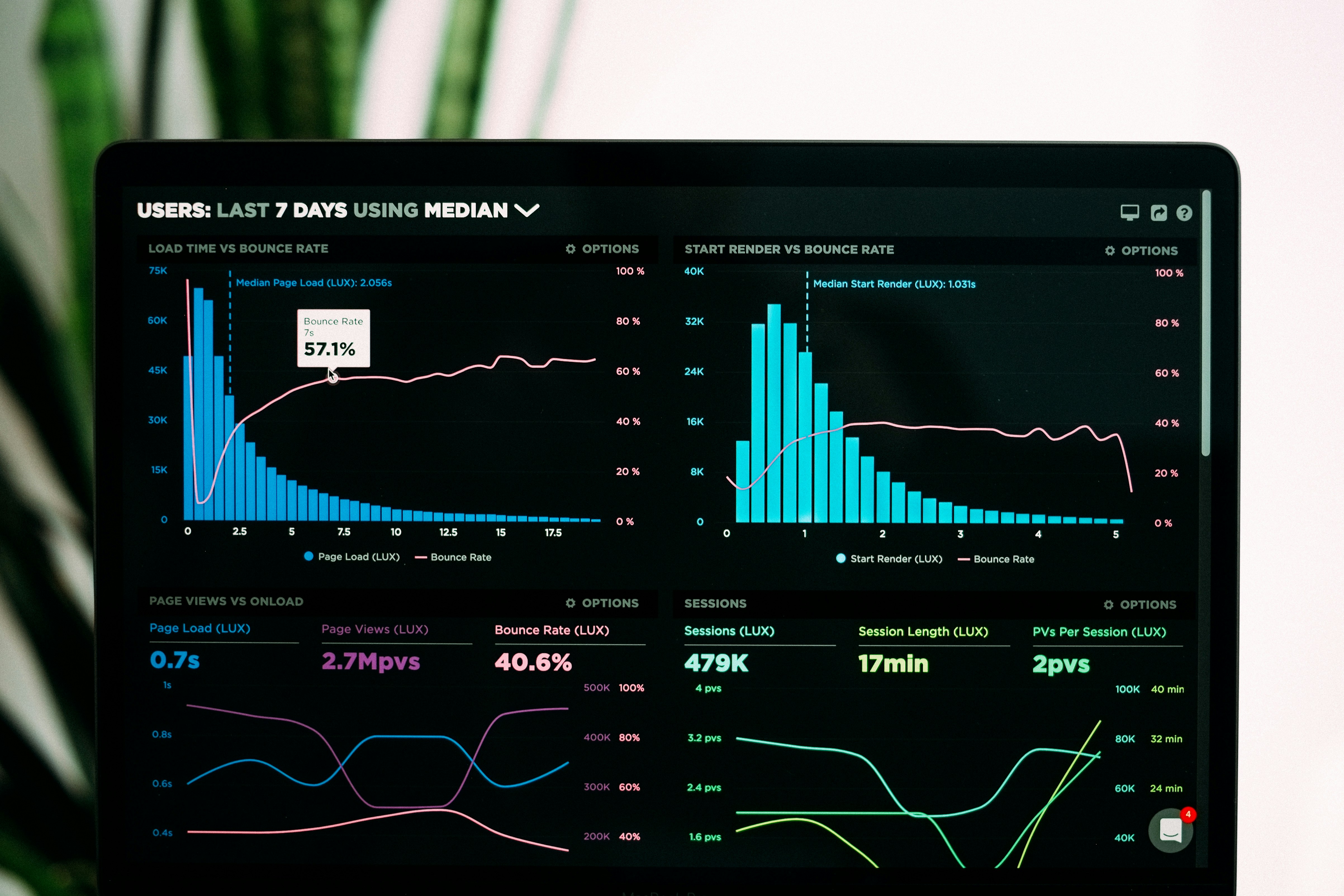
AI Workforce Planning & Intelligent Headcount Forecasting
Leverage artificial intelligence and workforce data to forecast talent demand, optimize headcount, and align workforce strategy with business growth.
What is AI Workforce Planning?
AI Workforce Planning represents the shift from reactive headcount tracking to predictive operational strategy. By harnessing the power of workforce intelligence, enterprise leaders can now analyze vast datasets to anticipate talent demands with a level of precision that manual methods cannot achieve. This capability transforms uncertainty into actionable insight, enabling organizations to prepare for future market conditions confidently.
Through advanced algorithmic modeling, we enable you to simulate various business futures—from rapid expansion to economic consolidation. This facilitates robust strategic workforce planning, ensuring that capacity is perfectly optimized to meet business goals without incurring unnecessary costs. The result is a resilient, agile organization ready to adapt to any commercial reality.

Key Capabilities
Our AI-driven approach unlocks sophisticated planning capabilities for the modern enterprise.
Headcount Demand Forecasting
Leverage predictive algorithms to forecast staffing requirements with high precision, reducing the variance between planned and actual headcount.
Capacity & Resource Modeling
Simulate resource utilization across multiple operational scenarios to maximize productivity and align capacity with business objectives.
Skills Gap Analysis
Identify current and future skills shortages early to guide strategic training investments and targeted recruitment.
Workforce Cost Optimization
Analyze labor costs across different regions and employment models to execute financially efficient workforce strategies.
Scenario Planning
Conduct rapid what-if analysis for mergers, expansions, or shifts to develop resilient contingency plans and risk mitigation strategies.
Automation Readiness
Assess role suitability for automation to refine headcount planning and optimize human capital deployment.
Use Cases by Business Scenario
When should you deploy AI workforce planning? Here are the critical scenarios where intelligent forecasting delivers maximum value.
Rapid Business Expansion
Align recruitment velocity with growth targets using data-backed capacity models.
New Market Entry
Plan local teams accurately using regional labor market intelligence to reduce entry risk.
Project-Based Hiring
Forecast contingent workforce needs for specific large-scale projects with precision.
Digital Transformation
Identify roles that will evolve and plan for new digital skill requirements proactively.
Workforce Cost Optimization
Reduce labor spend by optimizing the mix of permanent and contract staff efficiently.
Seasonal Demand Management
Precisely time the ramping up and down of flexible labor forces to match demand curves.
The Planning Process
A structured, data-driven methodology to transform your workforce strategy.
Diagnostics
Business goals & current state analysis.
Data Collection
Aggregating internal & external workforce data.
AI Modeling
Running predictive demand & supply algorithms.
Strategy
Developing actionable headcount plans.
Optimization
Continuous monitoring & plan refinement.
Industries Benefiting
Why Manpower?
- Enterprise-grade workforce planning expertise
- Proprietary AI & analytics-driven methodology
- Deep industry-specific workforce models
- Seamless integration with recruitment & outsourcing
- Compliance-aware global strategy
Frequently Asked Questions
AI workforce planning utilizes artificial intelligence, machine learning, and predictive analytics to forecast future talent needs, optimize headcount, and align workforce capacity with strategic business goals more accurately than traditional spreadsheet-based methods.
AI-based forecasting significantly improves accuracy by analyzing historical patterns, real-time market data, and business growth drivers simultaneously. While no forecast is 100% perfect, AI models continuously learn and adapt, reducing the margin of error compared to manual estimation.
Effective planning requires a mix of internal data (current headcount, turnover rates, skills inventory, business targets) and external data (market labor supply, competitor hiring trends, economic indicators), which our systems integrate for a holistic view.
Yes, by predicting demand accurately, you avoid panic hiring (which is often expensive) and overstaffing. It also helps identify internal mobility opportunities, reducing external recruitment costs.
Absolutely. AI workforce planning is particularly powerful for global organizations as it can process complex data across multiple regions, currencies, and regulatory environments to optimize global talent distribution.
Build the Right Workforce for the Future — with AI
Stop guessing. Start planning with precision.